A Second Psychic System
Five concepts from Jung, as a scroll essay with a score. Sixty-nine kilobytes, no framework, and every quote carries its citation.
- Year
- 2026
- Track
- built
- Category
- experiment
Tools
- Vite
- WebGL 2
- Web Audio
- Lenis
Six sections on the psychology of C.G. Jung: the collective unconscious, archetypes and what they actually contain, the shadow, the persona, anima and animus, then the sources.
It argues rather than summarises. The section on anima and animus opens by saying it is the part of Jung that has aged worst and the part worth arguing with. The archetypes section leads with the qualification most retellings drop, that an archetype has no content and is a capacity for an image rather than an image. You do not inherit the picture of the mother, you inherit the readiness to form one.
Every quotation carries its citation, down to the volume and paragraph. And where a citation could not be verified, the page says so on the opening screen: the paragraph number is given variously in secondary sources and has not been checked against a printed copy. Stating that costs nothing and is the difference between an essay and a wall of confident quotes.
The build is the other half. No framework at all. One module of sixty-nine kilobytes, built with Vite, doing a WebGL 2 canvas, smooth scroll through Lenis, and a score generated in Web Audio rather than loaded as a file. For comparison, everything else on this site is a Next.js app.
Recommended with sound, which the page tells you itself.
Screens
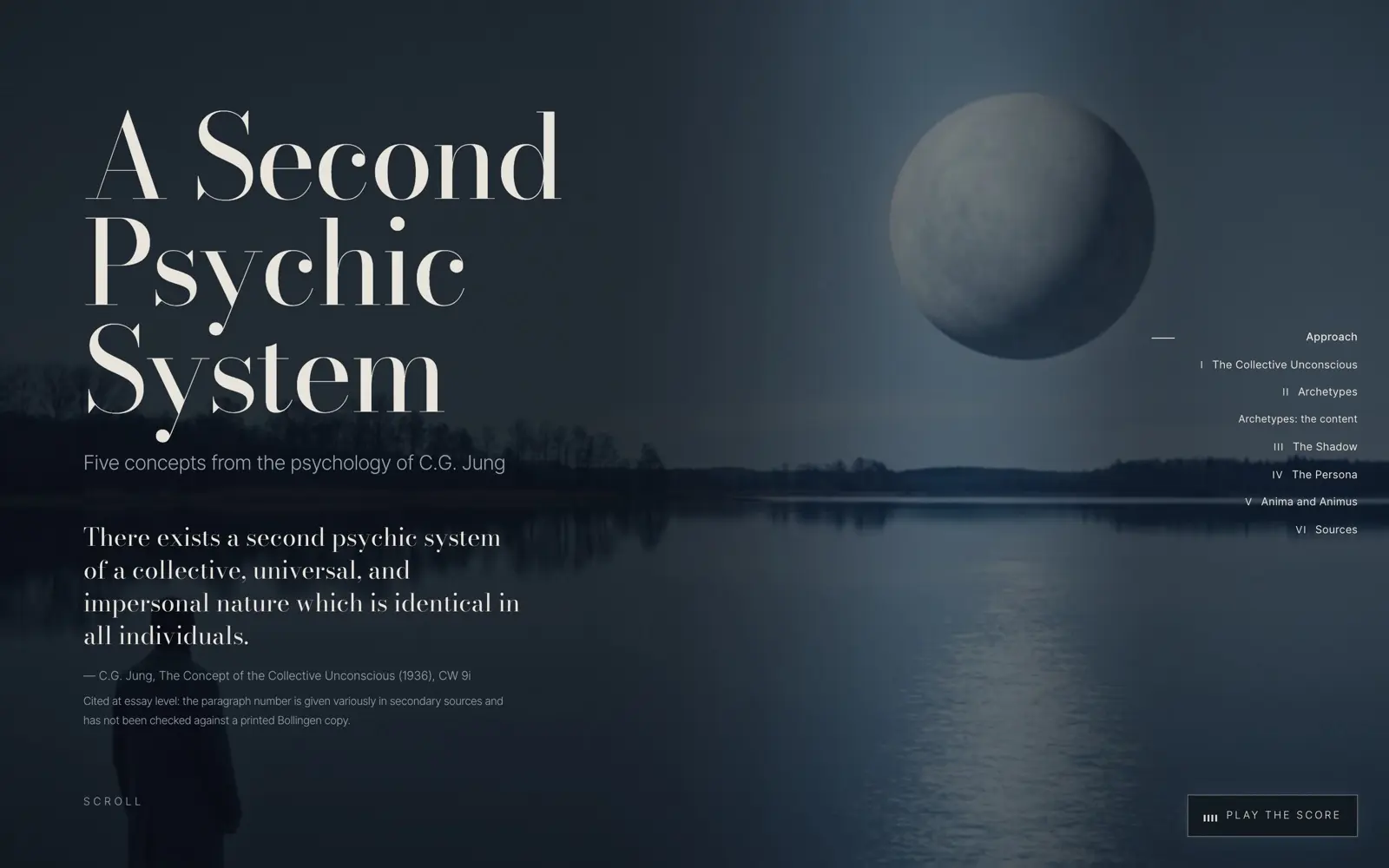
The opening screen, which prints the one citation that was never checked against a printed copy. 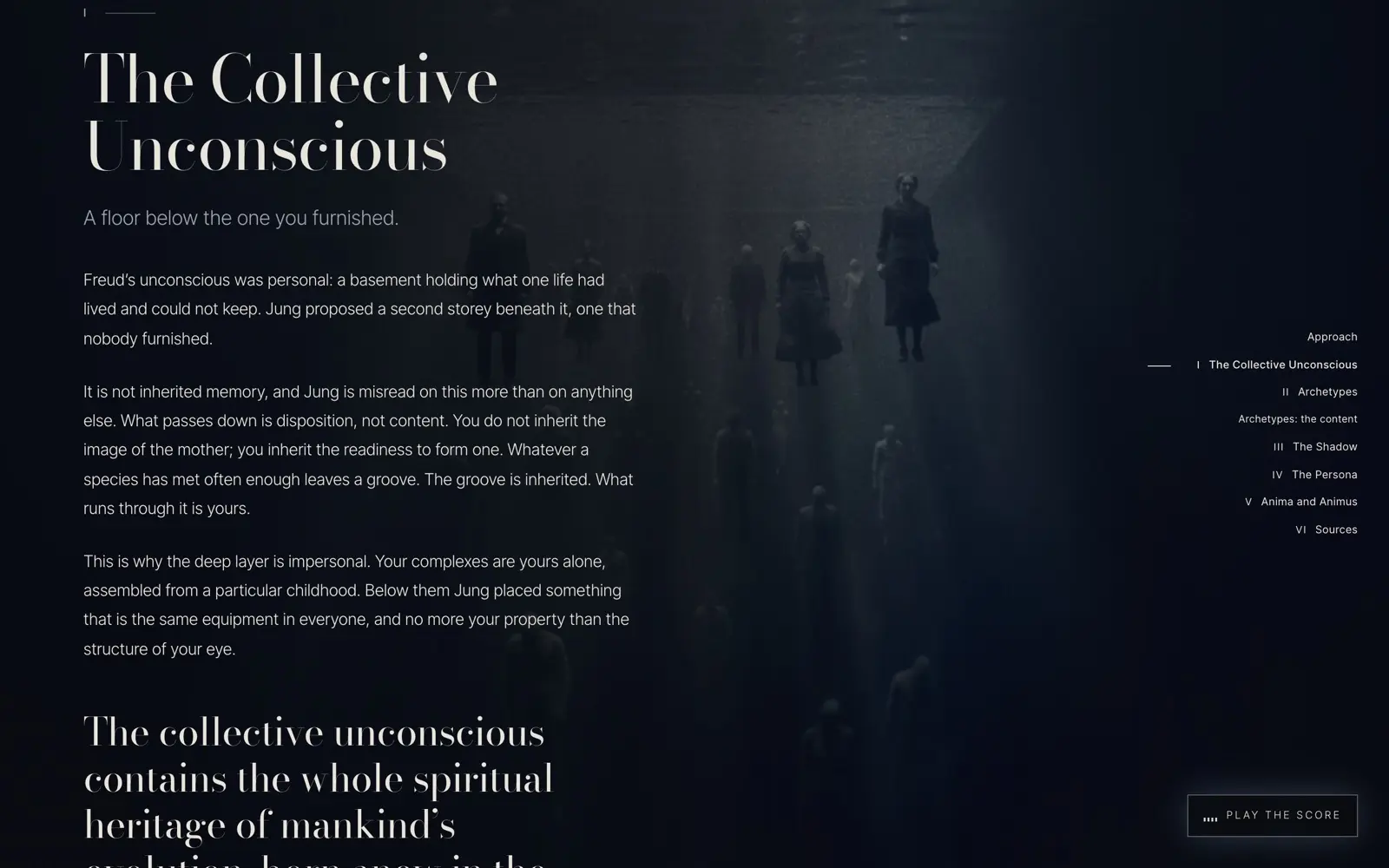
Each section is a full-bleed image with the argument set over it in one column. 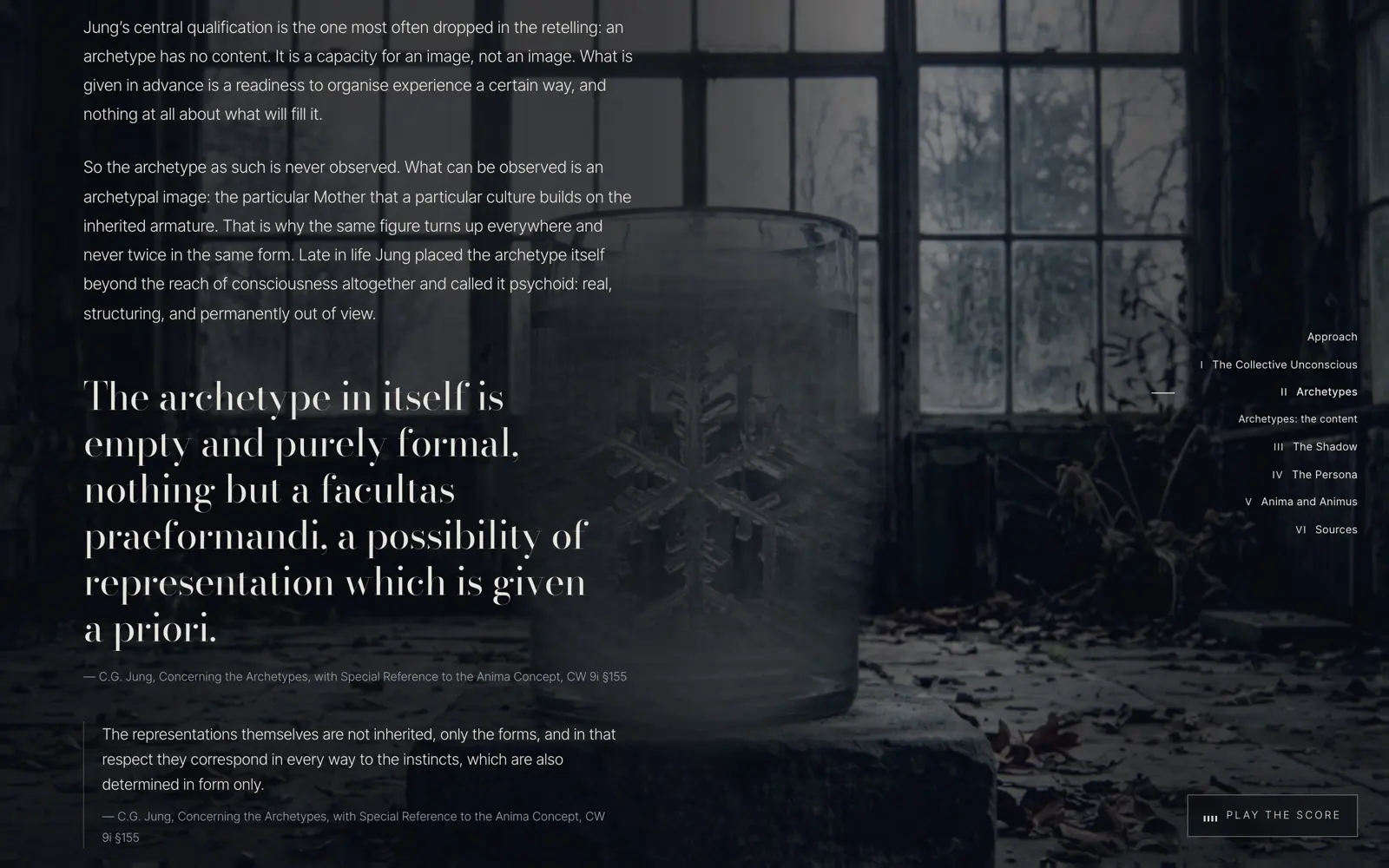
The qualification most retellings drop, and under it the citation down to the paragraph. 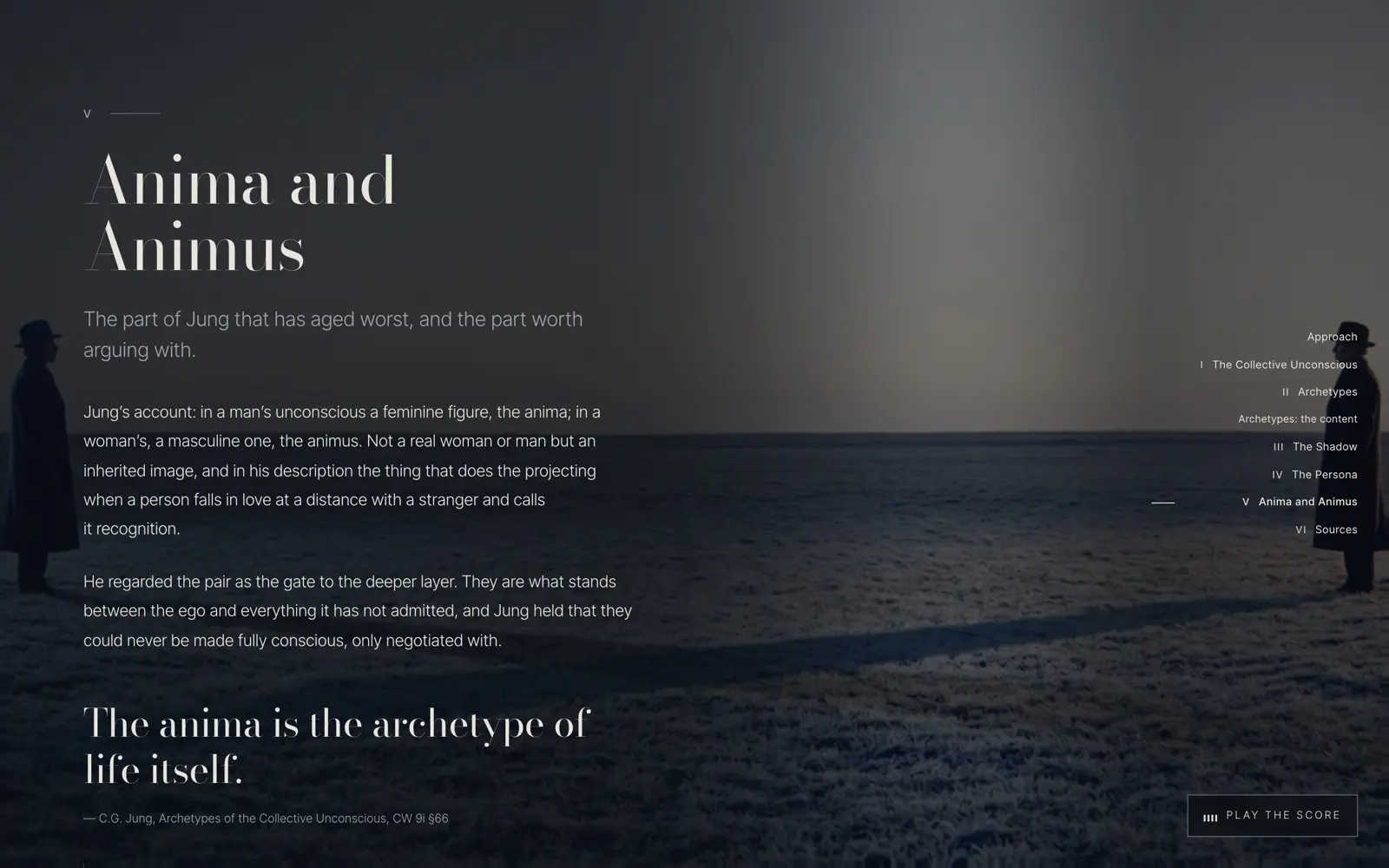
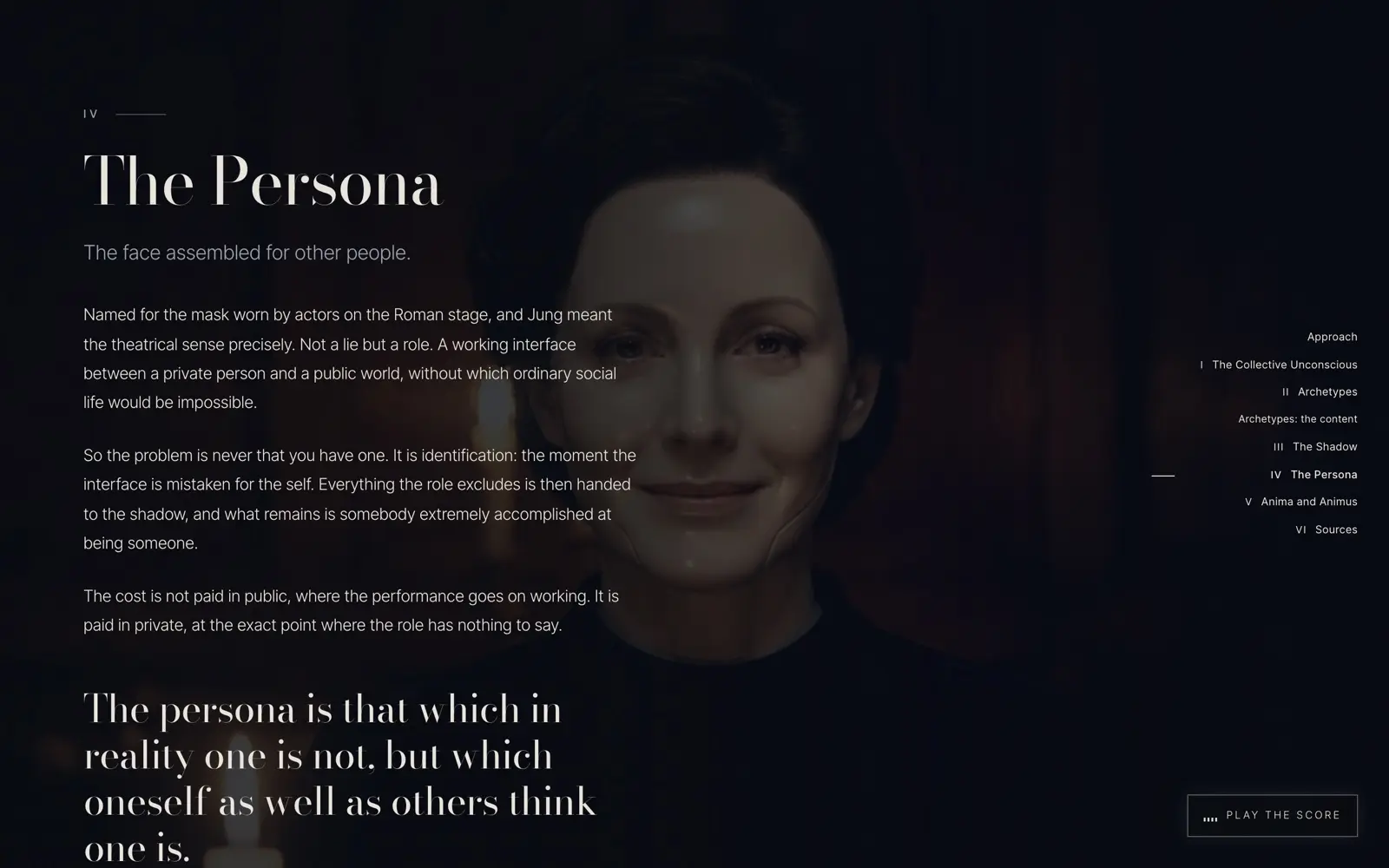
The section that says outright which part of Jung has aged worst.
More work
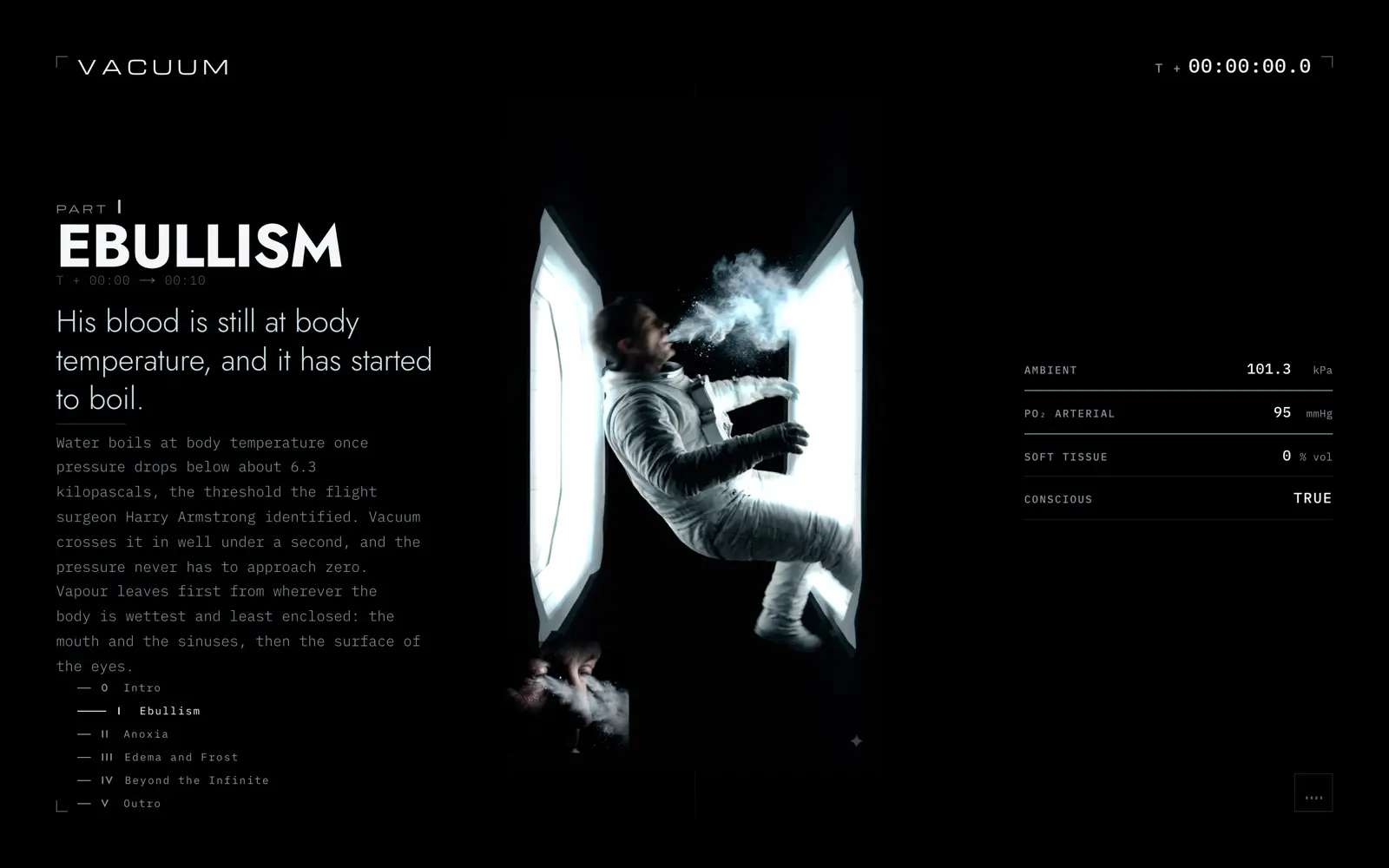
Vacuum
A scroll narrative of what hard vacuum does to an unprotected body, in five parts against a running clock. Recommended with sound.
experiment · 2026 · read it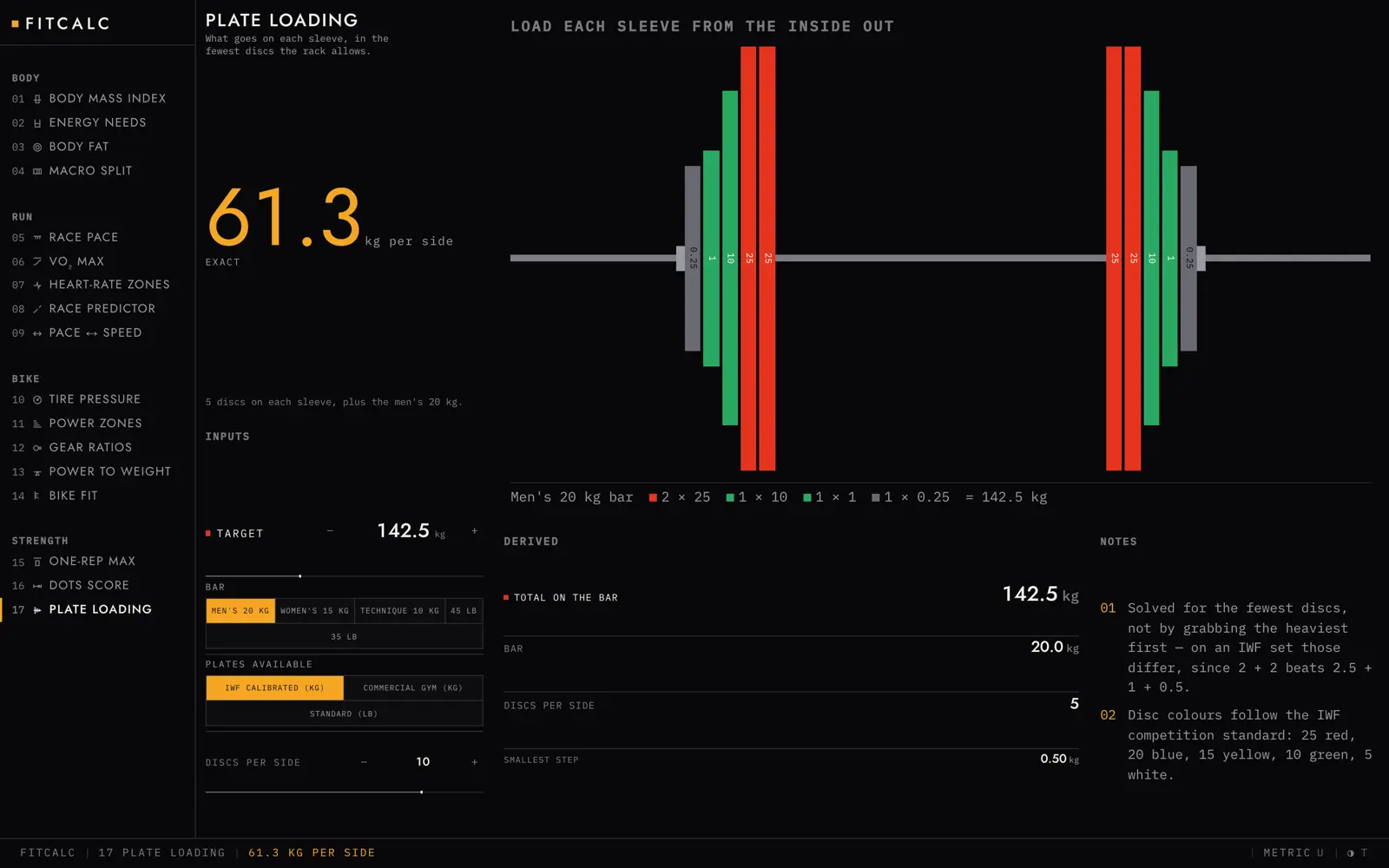
FitCalc
Seventeen training calculators in one tool, with the formulas shown side by side where they disagree. Built for my own training.
tool · 2026 · read it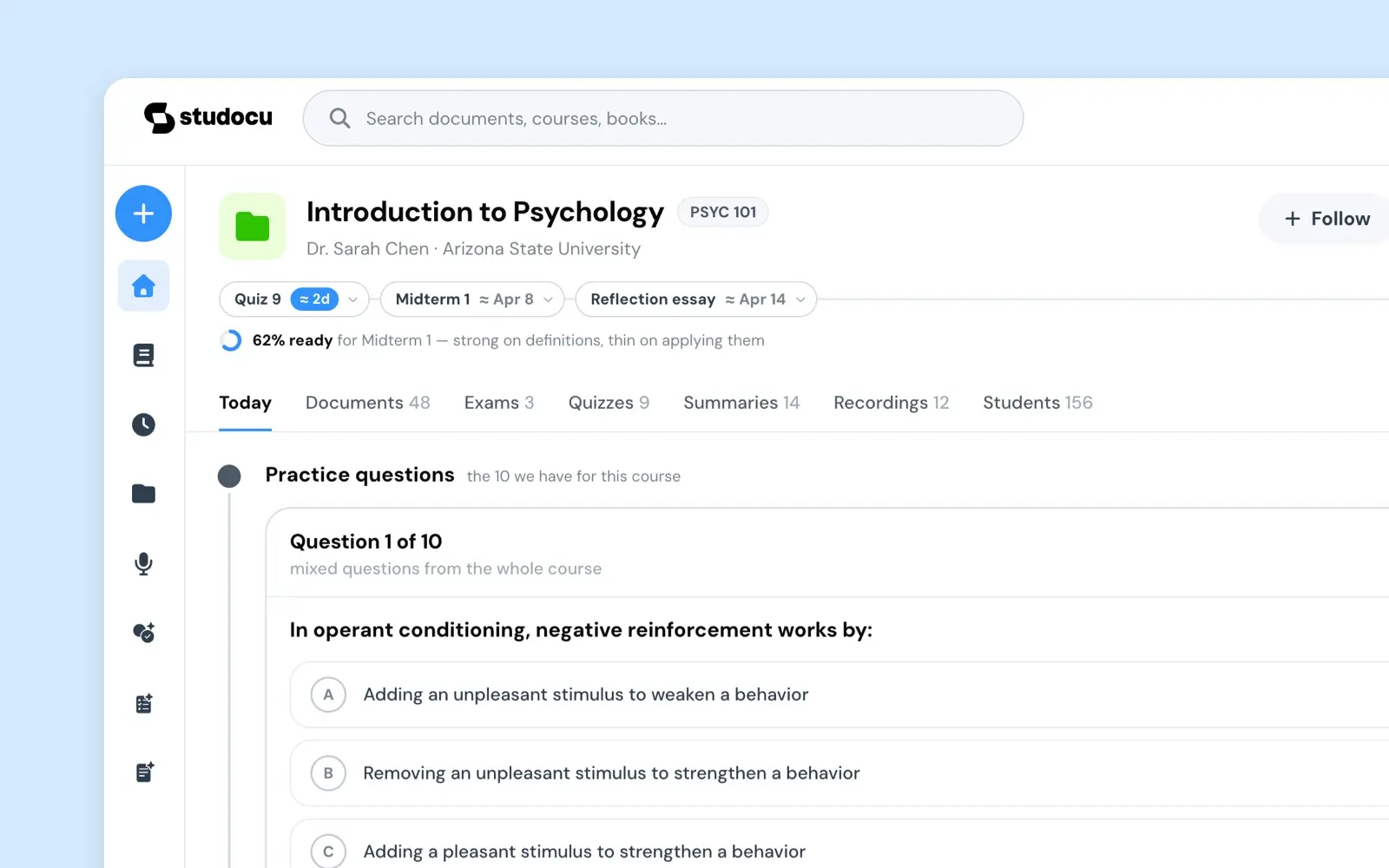
Course Companion
I pitched a course page nobody asked for. It became a funded mission and went live as an A/B test. Sixteen states of what a page may say, flip them here.
case study · 2026 · read it